
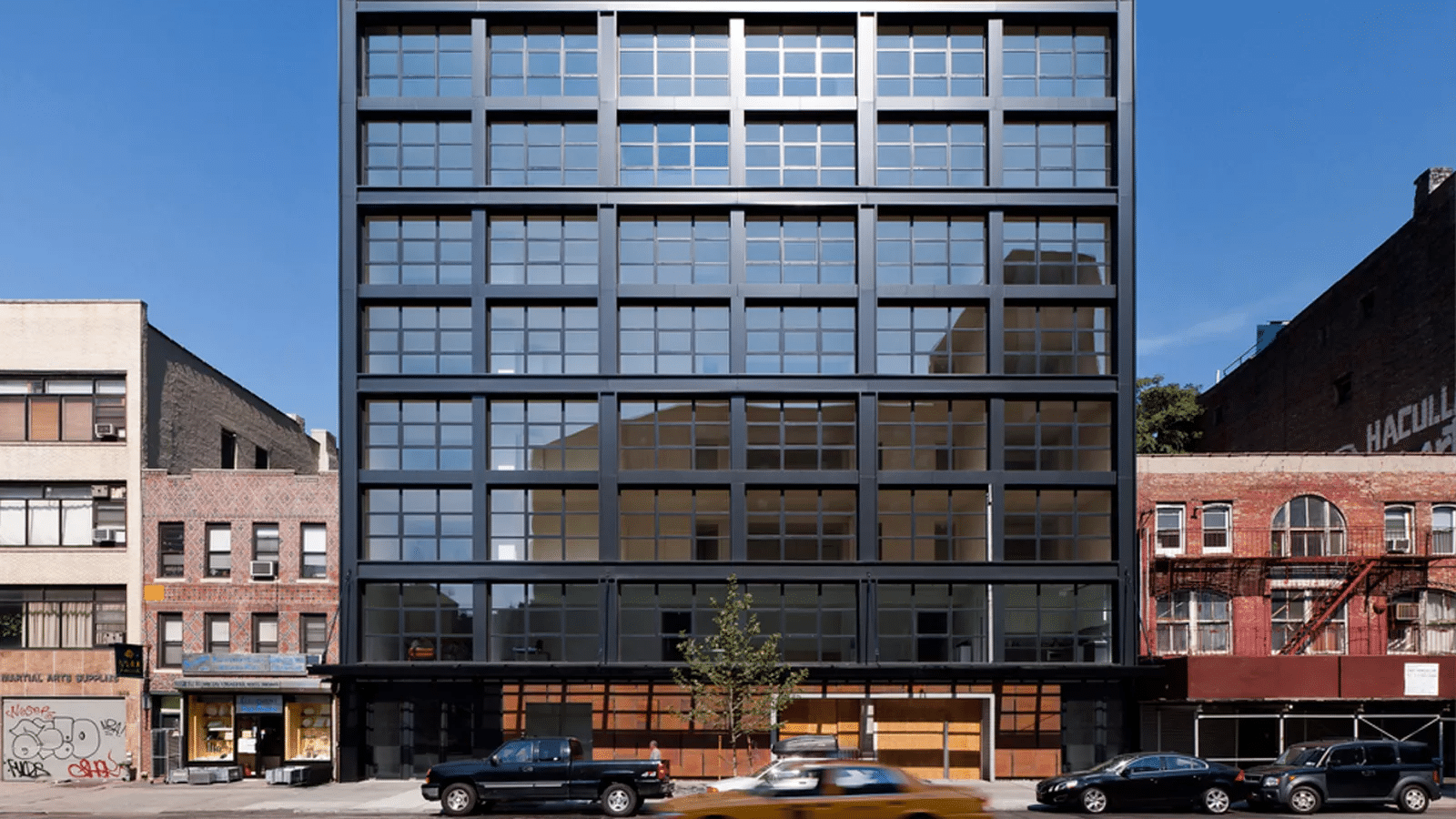
Case Study
When Calamities Happen, You Are Never Ready ? But You Need to Pivot, Adjust and Act
Original Flood Footage
The original flood footage remains the center of this case study because it shows the scale of the emergency Camelot had to manage in real time. Over President’s Day weekend, a frozen fire-sprinkler line failed at 250 Bowery and released an estimated 80,000 gallons of water through the building. Water migrated from the penthouse level down through multiple residential tiers and into the basement, affecting 16 condominium units and forcing a recovery process that went far beyond normal cleanup.
Emergency Impact
- Incident: Frozen fire-sprinkler pipe burst on February 15, 2016.
- Water volume: More than 80,000 gallons reportedly discharged into the building.
- Scope: 16 units impacted from the penthouse line down to lower floors and basement areas.
- Resident impact: Damaged units required demolition, inspection, reconstruction, and ongoing coordination with owners, contractors, adjusters, engineers, and legal counsel.
What the Reports Showed
The added report photographs document the seriousness of the damage and the conditions uncovered after demolition. The record includes degraded shower curbs, cracked bathtub areas, water-stained framing, exposed wall cavities, plumbing and drain observations, ceiling and bulkhead damage, and areas where waterproofing and protective assemblies were questioned. These were not cosmetic issues. They created a complicated recovery involving moisture control, unit access, building systems, insurance claims, construction defect review, and litigation strategy.
Flood footage first: the video above remains the primary asset. The photos below add the forensic and reconstruction context behind what happened next.
Damage, Defect Review & Recovery
The flood exposed a layered building problem: emergency water damage, unit-by-unit reconstruction, insurance limitations, and construction defects that required a coordinated board response. Camelot’s role was to stabilize the immediate crisis, document the conditions, organize the right professionals, and keep the recovery moving while protecting the board’s position.
Unit Damage
Bathrooms, walls, ceilings, subfloor areas, and finishes required demolition and review. Report images show degraded shower curbs, cracked bath conditions, exposed framing, and moisture-related damage that had to be addressed before rebuilding could proceed.
Building Systems
The review extended behind finished surfaces into plumbing, sprinkler, drain, electrical, HVAC, fire-stopping, and waterproofing conditions. Those findings helped frame the broader defect claims and the remediation path.
Board Protection
Camelot worked with the board, legal counsel, engineers, public adjusters, insurers, and contractors to document conditions, pursue recovery, coordinate reconstruction, and support a longer legal process against responsible parties.
Case Study Summary
250 Bowery was not a simple flood cleanup. It became a full building recovery assignment involving emergency response, resident disruption, engineering documentation, insurance coordination, reconstruction oversight, and a 24-month legal process tied to alleged construction defects. Camelot helped the board turn a chaotic building emergency into a structured recovery plan.
- Location: Bowery, Manhattan.
- Building profile: Luxury condominium developed by VE Equities and designed by Morris Adjami.
- Incident date: February 15, 2016.
- Primary event: Frozen sprinkler line burst and major water release.
- Reported scope: 16 affected units and significant vertical water migration.
- Recovery focus: Reconstruction, insurance claim support, defect documentation, board communication, and legal coordination.